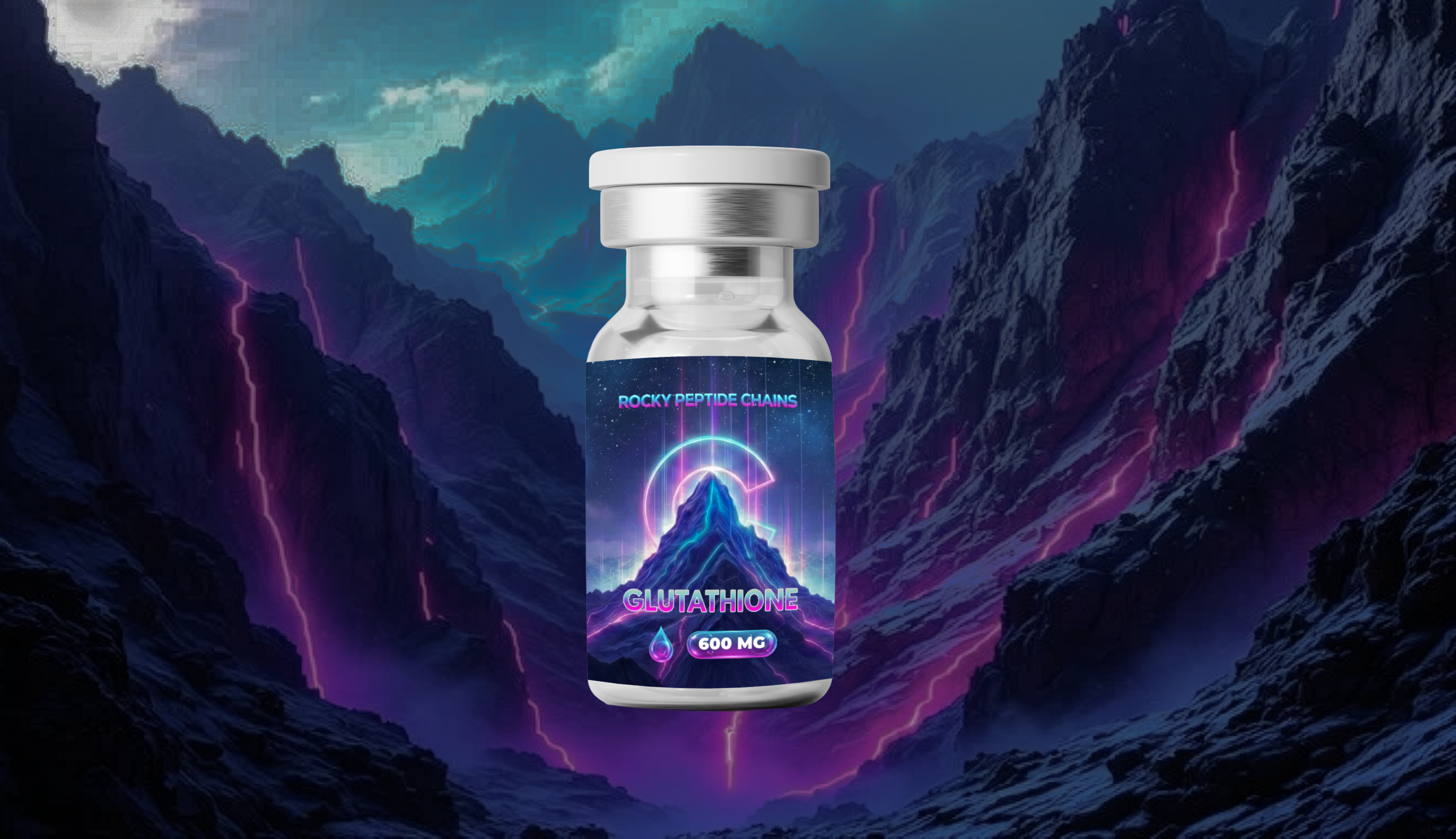
Glutathione
Glutathione – Master Intracellular Antioxidant for Redox and Detox Research
Glutathione (GSH) is an endogenously produced tripeptide composed of glutamate, cysteine, and glycine, present at millimolar concentrations in most mammalian cells as a central determinant of cellular redox status. As the primary non‑protein thiol in many tissues, GSH plays critical roles in neutralizing reactive oxygen species, supporting phase II detoxification, and maintaining protein thiol homeostasis, making it a core tool in oxidative‑stress, toxicology, and mitochondrial‑function research.
Key features
Core antioxidant system: Reduced glutathione (GSH) directly scavenges free radicals and peroxides, is recycled from its oxidized form (GSSG) by glutathione reductase, and helps preserve redox balance under physiologic and high‑stress conditions.
Detoxification and conjugation: GSH acts as a cofactor for glutathione‑S‑transferases, conjugating xenobiotics, electrophiles, and drug metabolites (e.g., acetaminophen’s NAPQI) to facilitate their biotransformation and excretion.
Mitochondrial and cellular‑energy support: Adequate GSH protects mitochondrial membranes and respiratory‑chain components from oxidative injury, helping sustain ATP production in high‑demand tissues such as liver, muscle, and brain.
Immune and signaling roles: Glutathione participates in redox‑sensitive signaling that shapes cytokine balance, T‑cell and NK‑cell activity, and inflammatory responses, positioning it at the interface of immunity and oxidative stress.
Research applications
Glutathione is widely used in experimental models focusing on:
Oxidative stress and redox biology, including assays of GSH/GSSG ratios, ROS generation, and protection of lipids, proteins, and DNA from oxidative damage.
Toxicology, pharmacology, and drug‑metabolism research, where GSH is central to studying detoxification capacity, susceptibility to xenobiotics, and mitigation of reactive metabolites.
Immune function and inflammatory conditions, examining how changes in intracellular GSH affect immune‑cell function, cytokine profiles, and host response to infection and inflammation.
Skin, liver, and neurologic models assessing antioxidant protection, pigment modulation, and support against oxidative or excitotoxic injury in specialized tissues.
Recommended handling
For controlled laboratory research use only, by qualified professionals.
Store in a cool, dry environment away from light; follow institutional SOPs for handling thiol‑containing compounds, solution preparation, and disposal to limit oxidation and degradation.
Investigators should consult current literature for model‑specific dosing, delivery routes (in vitro, ex vivo, or in vivo), and analytical methods for quantifying reduced and oxidized glutathione.
Important disclaimer
All compounds sold by Rocky Peptide Chain, including Glutathione, are for research use only. They are not intended for human consumption, medical use, diagnostic purposes, or treatment of any disease or condition. No claims are made or implied regarding detoxification, skin lightening, immune enhancement, or therapeutic benefit. Researchers are solely responsible for appropriate handling, experimental design, and compliance with all applicable regulations.
COA
Bridge